 پارسی
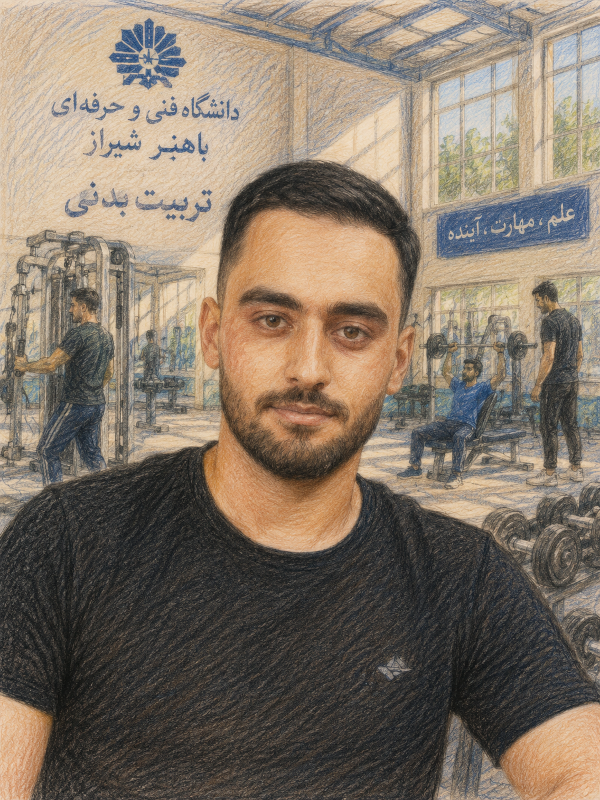
Omid Moayedi Zare
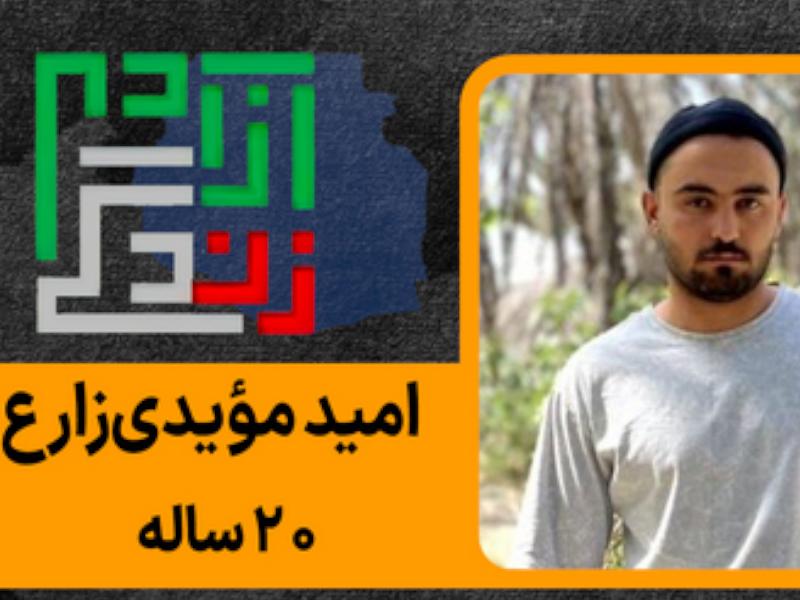
Omid Moayedi Zare (May 22, 2002 – November 15, 2022)
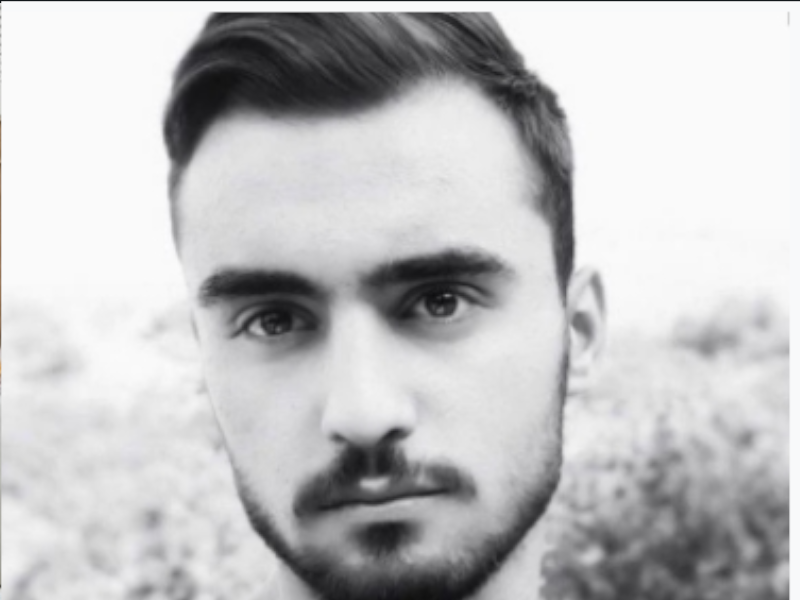
Omid Moayedi Zare was a 20-year-old physical education student at Bahonar Technical and Vocational University in Shiraz. According to those close to him, he was a quiet, polite, and hopeful young man who deeply loved life and dreamed of a better future. In June 2022, he celebrated his twentieth birthday. Only five months later, during Iran’s nationwide protests in November 2022, his life was taken.
On the evening of November 15, 2022, the first day of the three-day nationwide strikes marking the anniversary of the November 2019 protests, the atmosphere in Shiraz was tense. On Zerehi Street, security forces had thrown a young protester to the ground and were violently beating him. People nearby tried to step forward and help, but one of the armed officers pointed his weapon at the crowd and threatened to shoot anyone who came closer.
Among the crowd of around thirty to forty people was Omid. Unable to ignore the violence, he moved forward to help the injured young man. Moments later, the officers fired several warning shots into the air and, joined by additional forces, charged toward the crowd. In the chaos that followed, as people began running away, Omid was shot from behind. The first bullet struck his lower back. Witnesses say that after he fell to the ground, another shot was fired directly into his forehead — what they described as an execution-style “final shot.”
Eyewitnesses later stated that after shooting him, security forces took Omid’s body away. That same night, his family desperately searched for him, contacting the Revolutionary Guard intelligence office, police stations, intelligence agencies, and other authorities. At one point, a man answered Omid’s phone and told his mother that her son had been arrested and that the family should go to the IRGC intelligence office. Yet for three days, the family received no real information about his fate.
After three days of uncertainty and fear, the Criminal Investigation Department finally contacted the family and asked them to come identify a body labeled only as “Code 181.” When Omid’s father arrived, he was allowed to see only his son’s face. There was a visible bullet wound in Omid’s forehead. Despite this, officials told the family that the forensic report mentioned only a gunshot wound to his back.
After repeated pleas from Omid’s mother, authorities eventually allowed her to see her son’s body before burial. Under heavy security supervision, she was taken to Dar al-Rahmeh cemetery in Shiraz late at night. But by the time she arrived, Omid’s body had already been washed and wrapped in a burial shroud. Only his face remained uncovered. The wound on his forehead had been concealed beneath a cloth bearing the words “Ya Zahra.”
Following Omid’s death, pressure on the family intensified. Security agencies and state-affiliated officials attempted to portray him as a member of the Basij militia and pressured the family to repeat the government’s narrative — a claim that he had been killed not by state forces, but by protesters themselves. His family rejected these claims completely. According to relatives, Omid had participated in the protests and strongly opposed the Basij and the Revolutionary Guards.
Authorities also pressured the family to allow Omid to be buried in the section reserved for “martyrs” and to permit state-organized funeral ceremonies. Relatives said that when Omid’s mother refused and told them, “You killed my child,” officials threatened her indirectly, warning that “there are things worse than darkness,” referring to her husband and surviving son.
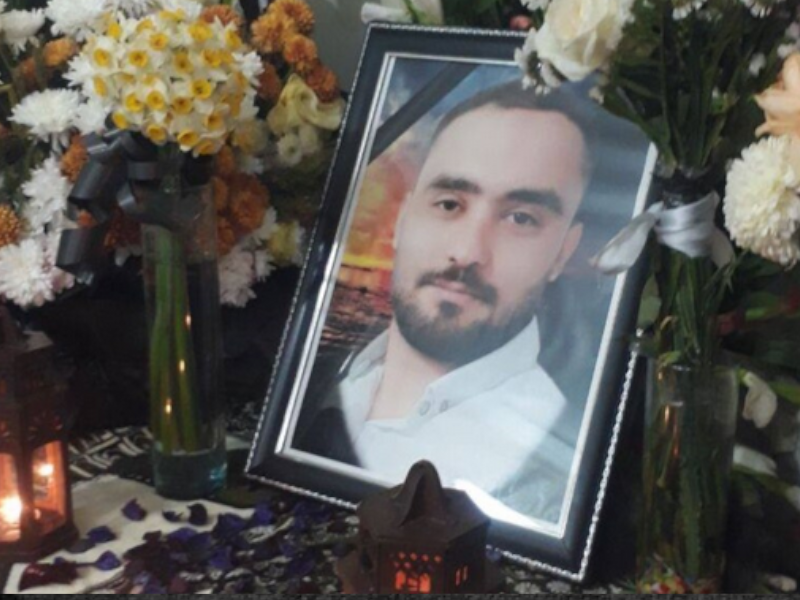
Omid’s funeral was conducted under intense security measures. The cemetery was surrounded by security forces, and only close family members were allowed to attend. The burial was completed quickly, and mourners were ordered to leave immediately afterward.
Despite the threats and pressure, Omid’s family continued demanding justice. During the memorial ceremonies held after his death, his mother publicly cried out for accountability and called for the identification and prosecution of those responsible for killing her son. The family filed official complaints and has continued seeking the truth.
According to eyewitnesses, relatives, and independent reports, Omid Moayedi Zare was killed on Zerehi Street in Shiraz after stepping forward to help another human being. He was only twenty years old — a young man whose name, “Omid,” means “hope,” and whose loved ones say that hope defined the way he looked at life itself.