 پارسی
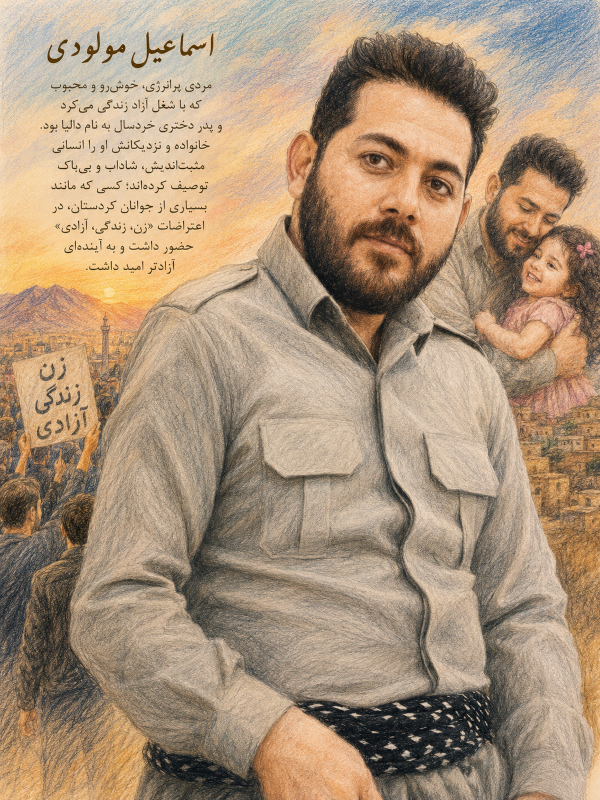
Ismail Moloudi
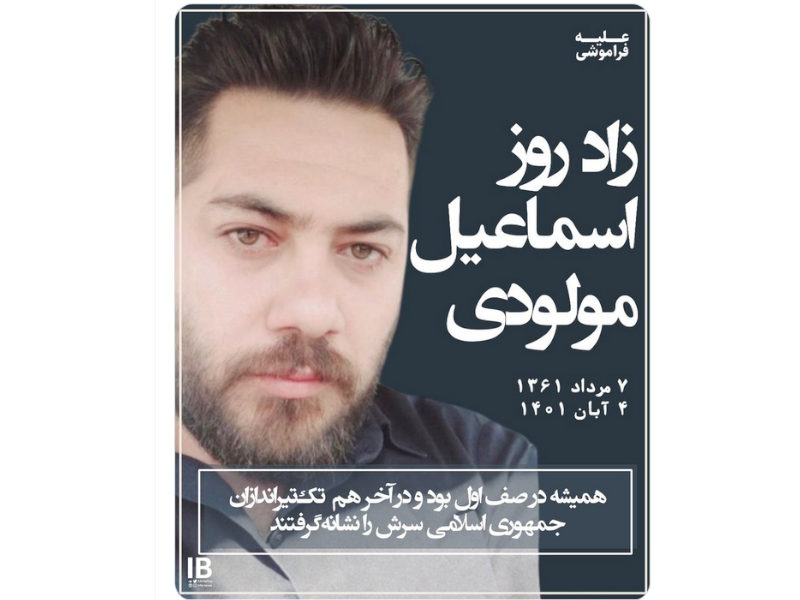
Ismail Moloudi (August 7, 1987 – October 26, 2022)
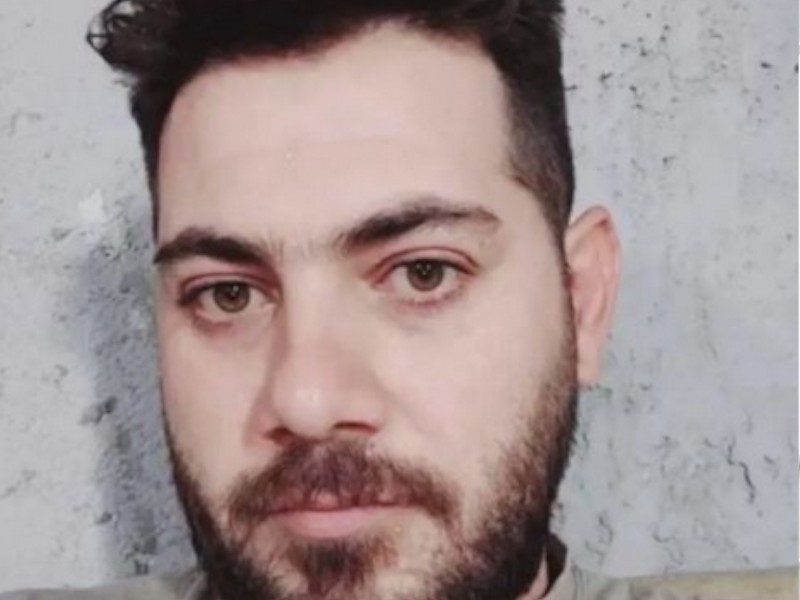
Ismail Moloudi, known as “Semko,” was born on August 7, 1987, in the city of Mahabad. He was described by his family and friends as a warm, energetic, optimistic, and courageous man. He worked independently, was married, and was the father of a young daughter named Dalia. Like many young people in Kurdistan, Semko believed in freedom and justice, and during the “Woman, Life, Freedom” movement, he joined the nationwide protests against the Islamic Republic of Iran.
On the evening of October 26, 2022, following the 40th-day memorial ceremony for Jina (Mahsa) Amini in Saqqez, protests spread across Kurdistan and intensified in Mahabad. Thousands of people filled the streets, chanting “Jin, Jiyan, Azadi” — “Woman, Life, Freedom.” Security and military forces of the Islamic Republic responded with live ammunition and sniper fire.
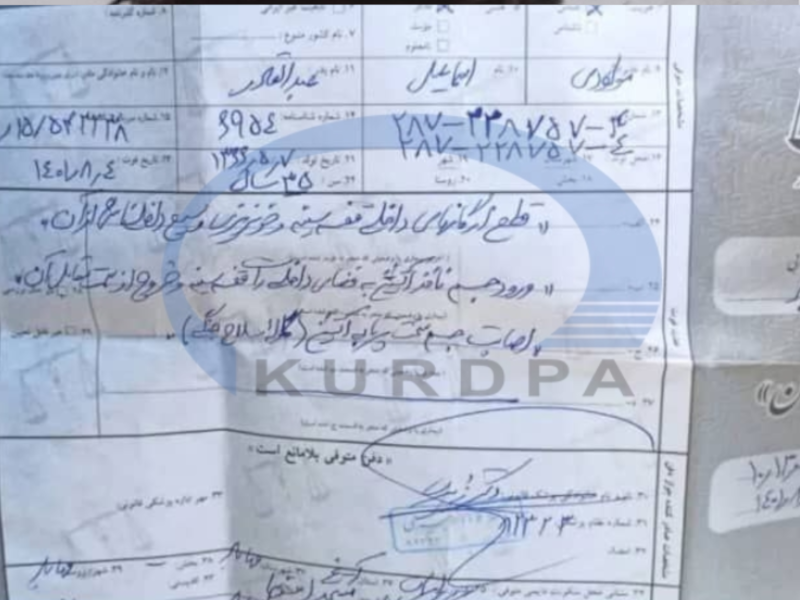
Around 9:00 to 9:30 p.m., Semko Moloudi was shot by a sniper using a scoped rifle (“ghanaseh”). According to accounts from relatives and informed sources, the bullet entered the right side of his chest or underarm area and exited from the other side of his body, causing severe internal bleeding. He was rushed to Khomeini Hospital in Mahabad, but he died shortly after arriving.
Witnesses and family members stated that the shooting appeared deliberate and targeted. Several other protesters standing near Semko were also shot and seriously wounded that same night.
Immediately after his death, security forces reportedly attempted to prevent public mourning and to secretly bury his body during the night. Family members later said authorities pressured and threatened them, insisting that no funeral ceremony should take place. Semko’s father refused. He answered the security agents by saying: “People know me. I will not do such a thing.” Despite repeated threats and intimidation, the family resisted the pressure.
Relatives and local residents went to the hospital themselves and forcibly retrieved Semko’s bloodied body before authorities could remove it. They transferred him to a local mosque for ritual washing and mourning ceremonies. Because of fears that security forces might seize the body — something families of other victims had reportedly experienced — hundreds of people stayed around the mosque throughout the night, guarding the building until morning.
At the same time, Iranian authorities allegedly attempted to shift responsibility for Semko’s killing onto Kurdish opposition groups such as Komala and the Democratic Party. Officials told Semko’s father that his son had been shot by opposition militants. He rejected the claim, responding: “The bullet came from your checkpoint. What would Komala or Democratic Party forces be doing inside your base? Neither we nor the people believe these lies.”
On the morning of October 27, 2022, thousands of people attended Semko Moloudi’s funeral procession in Mahabad. Protesters carried his body through the streets while chanting anti-government slogans and honoring him as a symbol of resistance. One of the most heartbreaking moments of the funeral was the appearance of his young daughter, Dalia, at her father’s grave. Holding his photograph and raising her hands in a victory sign, she said: “I will never forgive my father’s killer.” Her words became one of the enduring images of grief and defiance from the protests in Kurdistan.
Following the funeral, public anger in Mahabad escalated dramatically. Large crowds protested against the killings carried out by security forces. Government buildings, including the governor’s office and other state-affiliated institutions, were stormed or set on fire during the unrest. Security forces responded with further violence, using live ammunition and tear gas against protesters, leading to more deaths and injuries.
In the days and months that followed, pressure on Semko’s family reportedly continued. Relatives were repeatedly summoned and threatened by intelligence agencies in order to prevent memorial gatherings and acts of remembrance. Authorities also allegedly attempted to pressure the family into accepting financial compensation (“blood money”) and signing statements that would end their pursuit of justice. The family refused.
His name remains deeply connected to the “Woman, Life, Freedom” movement and to the struggle for justice in Kurdistan. He is remembered not only as a victim of state violence, but also as a symbol of dignity, resistance, and the ongoing demand for truth and accountability.