 پارسی
پارسی
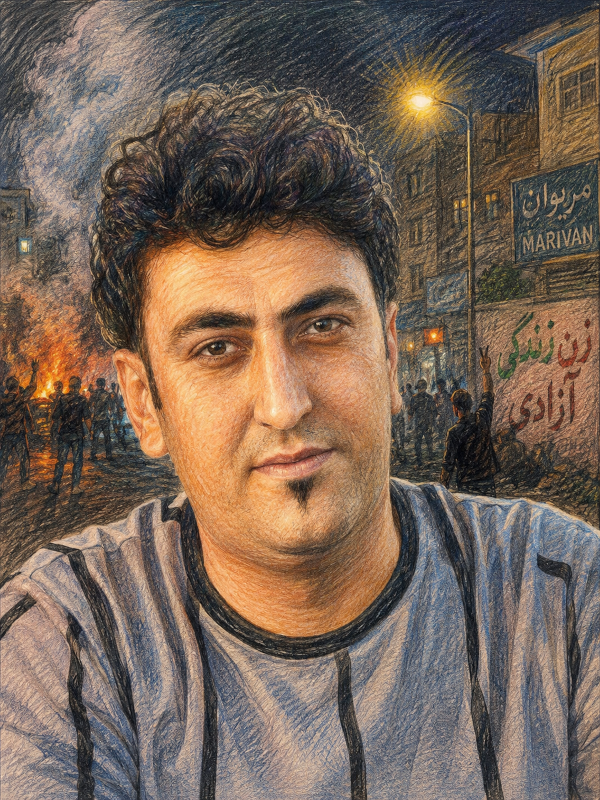
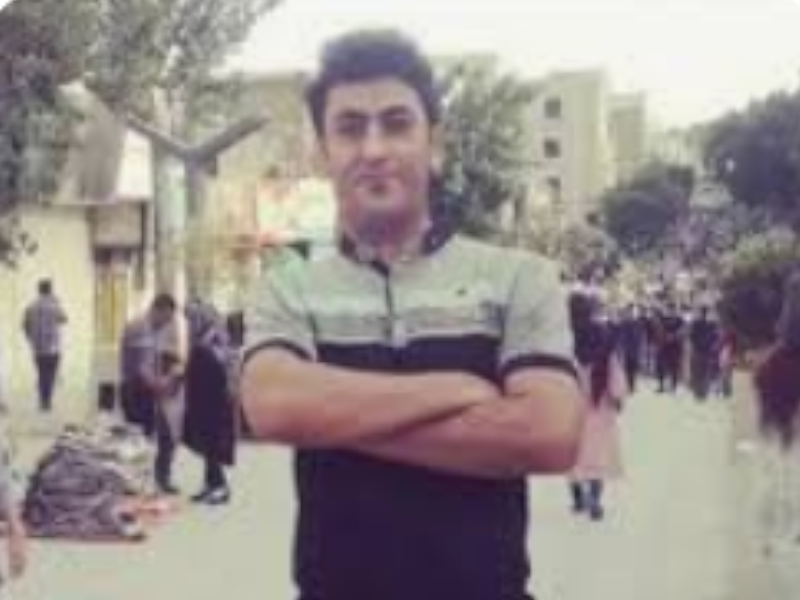
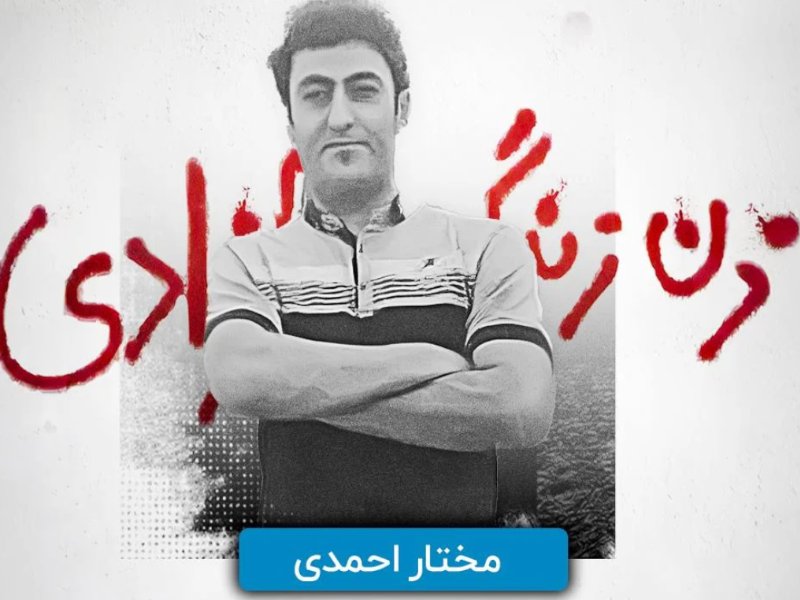
Mukhtar Ahmadi
Mukhtar Ahmadi (September 22, 1985 – October 9, 2022)
On October 9, 2022, the city of Marivan was engulfed in the turmoil of widespread protests. The streets carried the heavy scent of tear gas, and the night itself seemed to press down on the city, thick with fear, confusion, and the echoes of confrontation. It was a time when people no longer walked home with certainty—only with caution and hope that they would arrive safely.
In those days lived “Mukhtar Ahmadi,” a young man born on September 22, 1985. He earned his living through long hours of labor and street vending, moving through life with quiet persistence. His days were shaped not by stability, but by effort—simple, exhausting, and honest.
That night, after hours of work, he was on his way home through a narrow dead-end alley in his neighborhood. The alley was swallowed in darkness. He stepped into it, and in a brief, irreversible moment, a gunshot was fired. Everything changed instantly. He fell to the ground, and the ordinary rhythm of his life stopped without warning.
He was taken to the hospital, but the distance between arrival and survival was too wide. Shortly afterward, he died from his injuries.
What followed, according to accounts from sources close to his family, were days that felt heavier than the loss itself. The home he left behind became a place filled with silence, pressure, and uncertainty. It is reported that attempts were made to impose an official version of events, but his family rejected it, holding firmly to their understanding of what had happened.
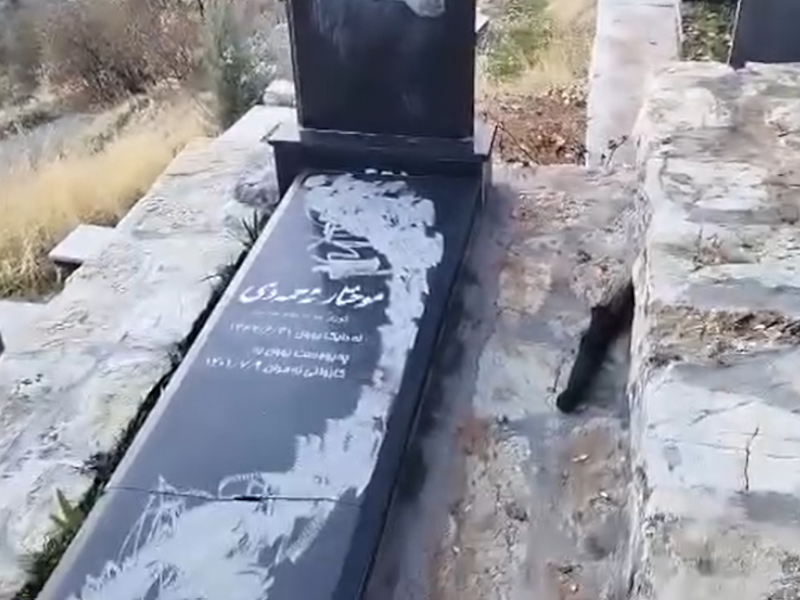
This refusal, those close to them say, brought further strain. In the end, Mukhtar was buried at night, in silence, with only a small number of people present. The farewell felt incomplete, as though even grief itself had been forced into hiding.
But what was buried that night was not only a body—it was a mourning that continued to live inside the family and quietly spread through the city.
Forty days later, time returned to the same wound. Reports emerged of pressure to prevent the fortieth-day memorial ceremony. Yet at the same time, other voices in the city began to rise—voices insisting that grief is not something that can be contained or silenced.
In an open letter, the family spoke of their suffering: of nights where loneliness weighed more than grief itself, and of the painful feeling that even their sorrow was not allowed to be seen.
And slowly, as the fortieth day approached, the city moved toward a moment that had grown beyond a private tragedy. It became something shared—an echo of loss that no longer belonged only to one family, but lingered in the collective memory of the place they called home.