 پارسی
پارسی
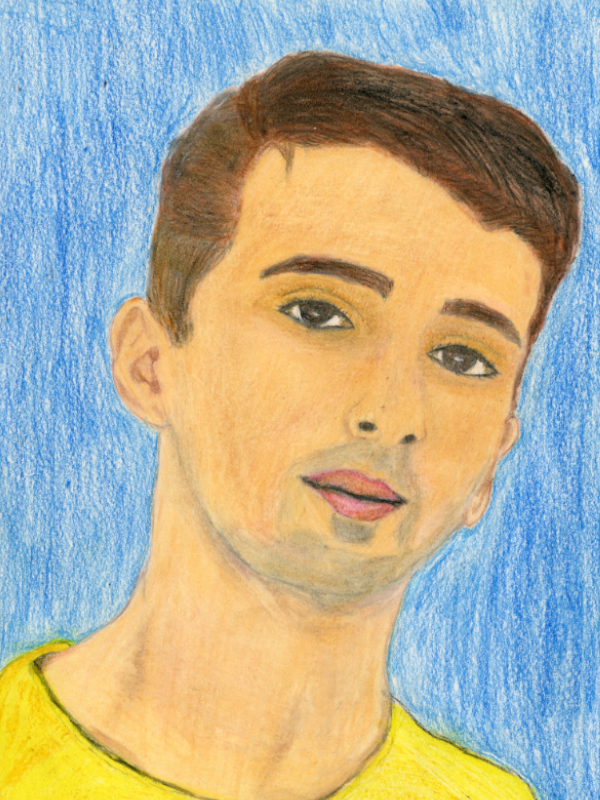
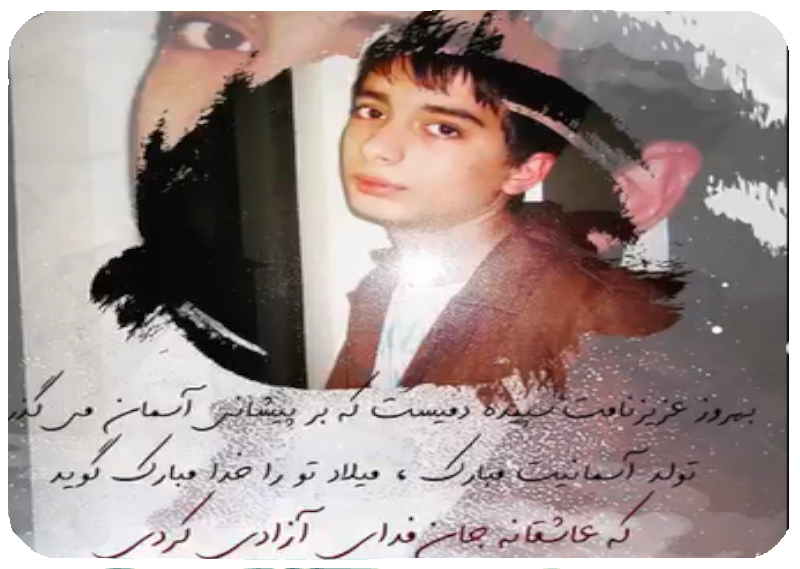
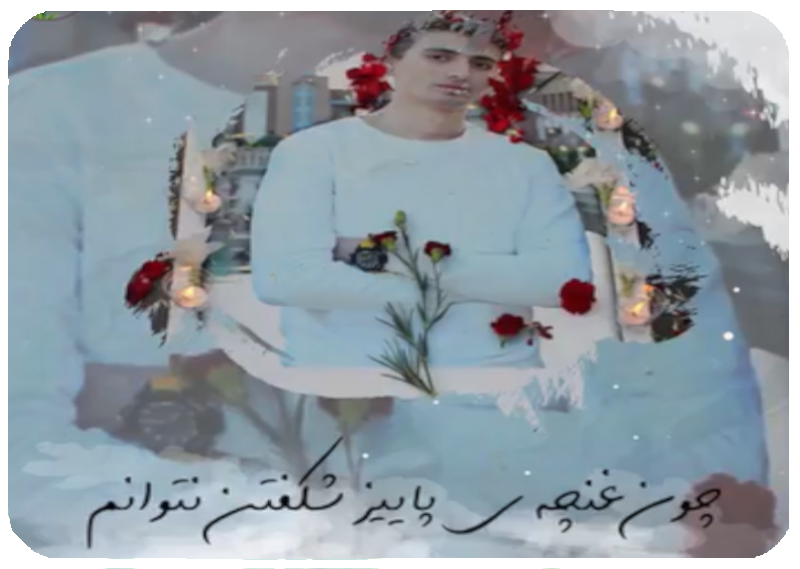
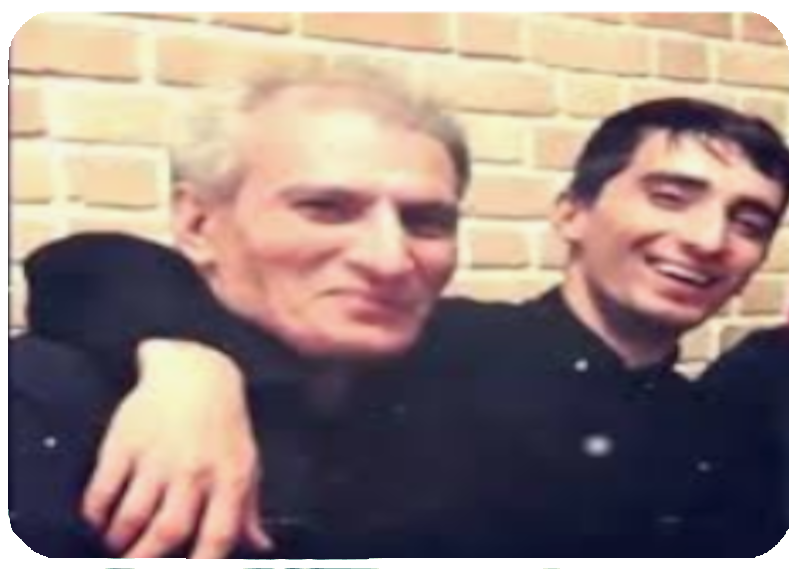
Behrouz Asgharpour
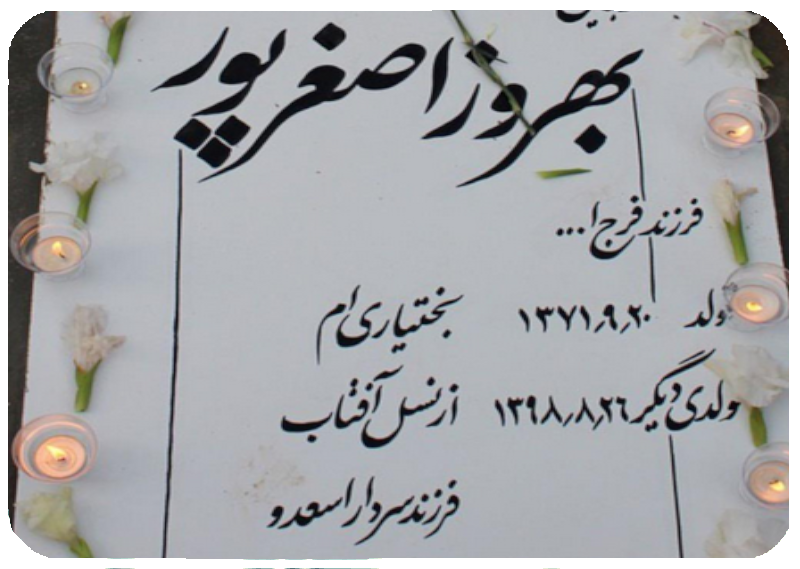
Behrouz Asgharpour (September 20, 1992 – November 17, 2019)
Behrouz Asgharpour was one of the protesters of the 2019 Iran uprising who was killed by the repressive forces of the Islamic Republic of Iran.
On November 17, 2019, he lost his life in the streets of Shahriar during protests against the increase in fuel prices, after being directly shot by Revolutionary Guard forces stationed on rooftops.
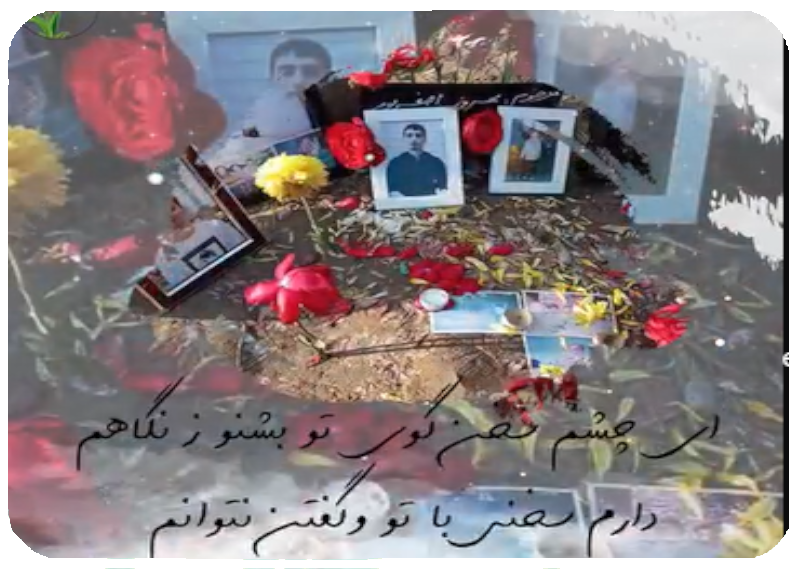
On November 22, 2019, he was buried in Behesht-e Rezvan Cemetery in Shahriar under pressure from security forces, without any public ceremony and in silence.
Report by Alireza Azami, Human Rights Defender
During the nationwide protests of November 2019, hundreds of citizens lost their lives at the hands of security forces, and many more were injured. Thousands were also arrested across various cities in Iran.
Alireza Azami, a human rights defender and media activist, interviewed a resident of Shahriar who had participated in the protests. The individual provided eyewitness testimony about the events.
According to the witness, on Saturday, November 16, 2019, people blocked Shahriar’s main street, Valiasr Street, using their cars. Many also gathered in Imam Khomeini Square, chanting slogans. Police forces were present but initially did not interfere, although they threatened individuals in side streets to return home.
Later, special forces formed lines near the square. Protesters chanted slogans such as:
- “Neither Gaza nor Lebanon, my life for Iran”
- “Cannons, tanks, fireworks — the clerics must go”
By the afternoon, clashes intensified. Protesters set fire to symbols associated with the حکومت. Most protesters were young, many under 30, including teenagers.
Security forces, including snipers positioned on rooftops, opened fire on the crowd. According to witnesses, people of all ages were targeted. One witness described:
“The streets were shining with blood.”
A reliable source reported that by midweek, over 200 people had been killed in Shahriar alone.
Eyewitness Description
The streets resembled a جنگ zone, filled with fire, smoke, and the sound of gunfire. Injured people were seen fleeing. Protesters attempted to resist, and some even seized weapons from security forces, though those forces were quickly extracted.
Plainclothes agents moved among the population, taking away the wounded and threatening anyone who tried to help them.
In one instance, a man shouting “Death to the dictator” was shot in the leg and taken away.
Casualties and Victims
By November 20, 2019, more than 200 people were reportedly killed in Shahriar, with many more injured. Some victims were never taken to medical centers.
Among the identified victims:
- Nader Momeni – shot in the side
- Behrouz Asgharpour – a locksmith who was standing near his street corner (his family states he was not a protester)
- Alireza Nouri (16 years old) – shot in the head
- A woman with the surname Samsami
Current Situation
The situation in Shahriar remained tense. Security forces continued heavy حضور, especially around Imam Khomeini Square. Citizens were forced to pass through controlled paths monitored by نیروهای بسیج.
Reports indicated continued intimidation, patrols by motorcycle units, and a strong security presence.
Detentions
According to reports from detainees in Fashafouyeh Prison, the facility was overcrowded. Prisoners were initially beaten severely, and injured detainees were taken to hospitals.
Conditions were harsh, with minimal food and poor sanitation. Some younger detainees were later released, but many remained in custody.
General Context
The protests began on November 15, 2019, following a sharp increase in fuel prices and quickly spread across the country.
Security forces responded with violence, including beatings, live ammunition, tear gas, and pellet guns. In at least 35 cities, protesters were shot directly.
Videos shared on social media showed security forces firing at unarmed protesters from rooftops and even helicopters.
Authorities also shut down internet access nationwide starting November 16, 2019, to suppress information flow. Access was gradually restored around November 24, 2019.
Human rights groups have documented approximately 160 confirmed deaths, though actual numbers are believed to be significantly higher.
بهروز اصغرپور
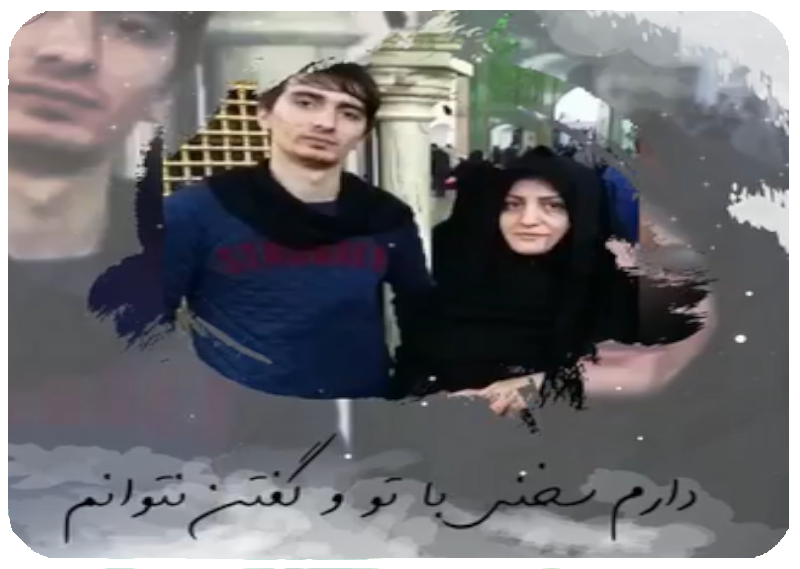
بهروز اصغرپور
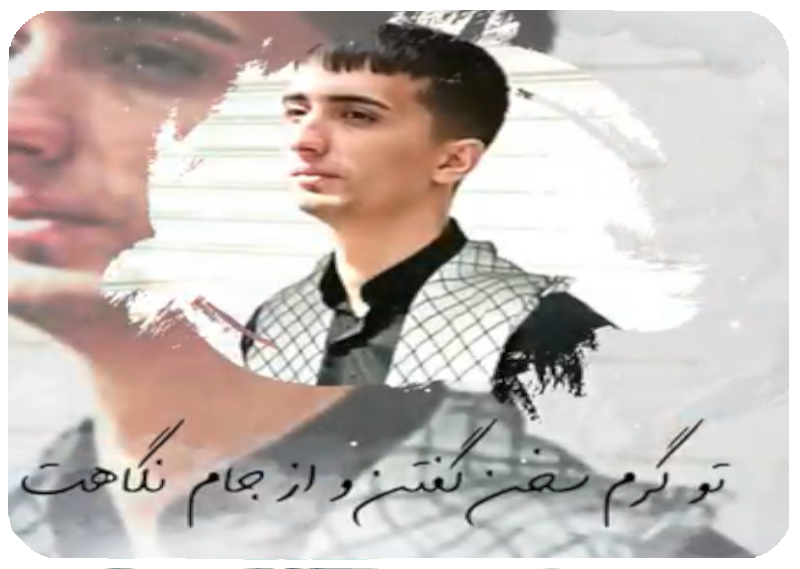
بهروز اصغرپور
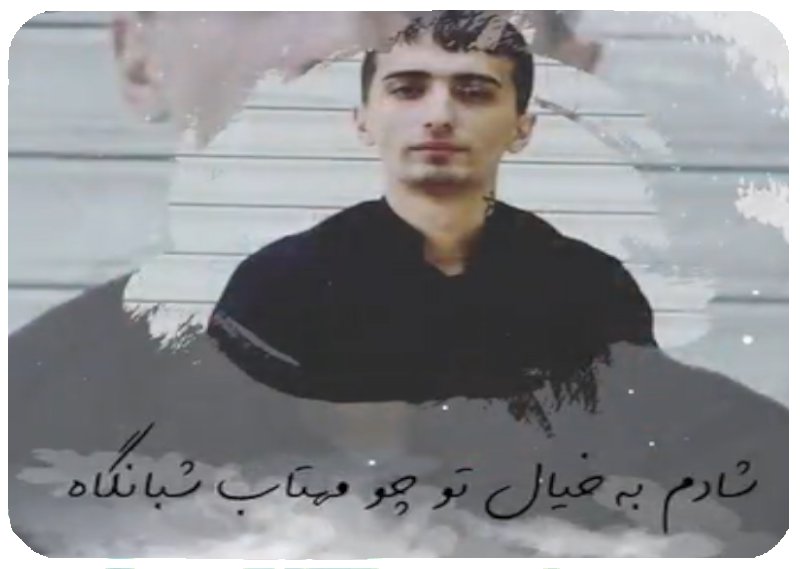
بهروز اصغرپور
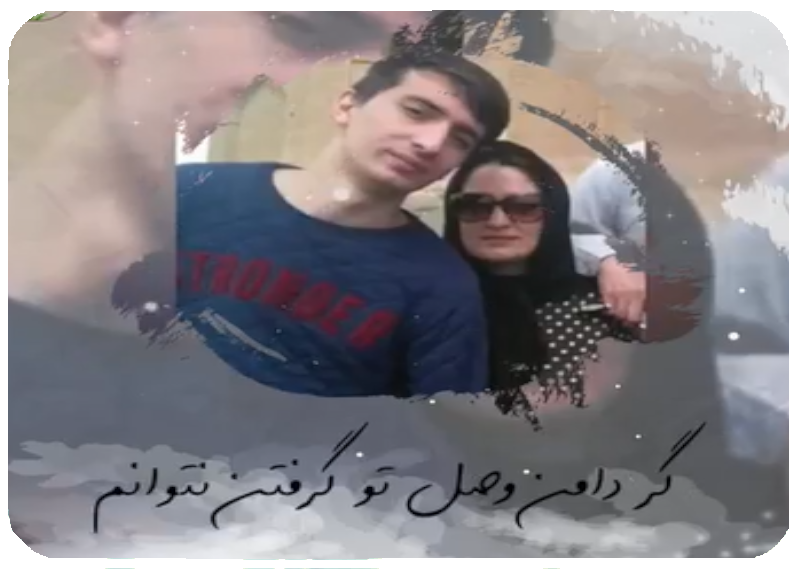
بهروز اصغرپور
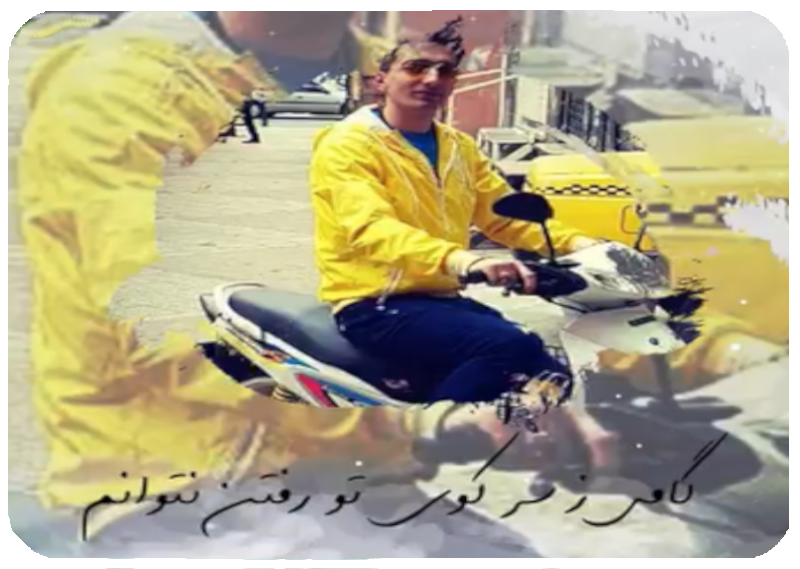
بهروز اصغرپور
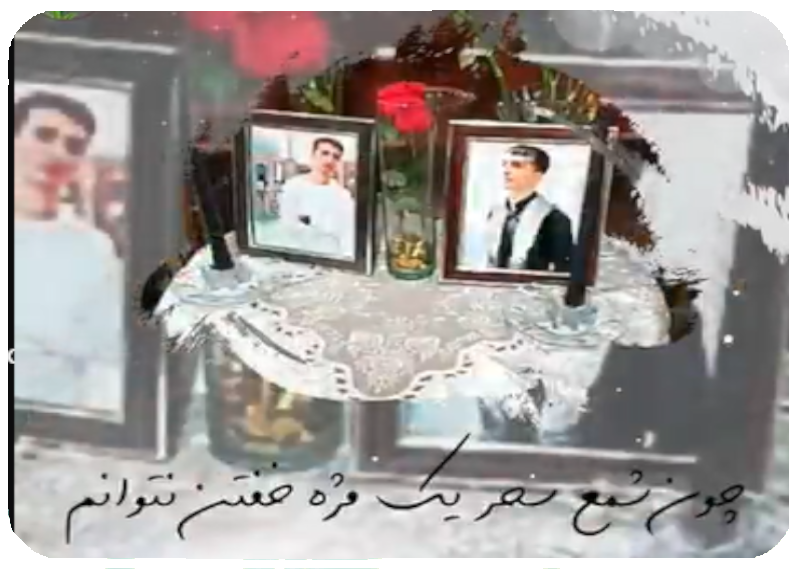
بهروز اصغرپور
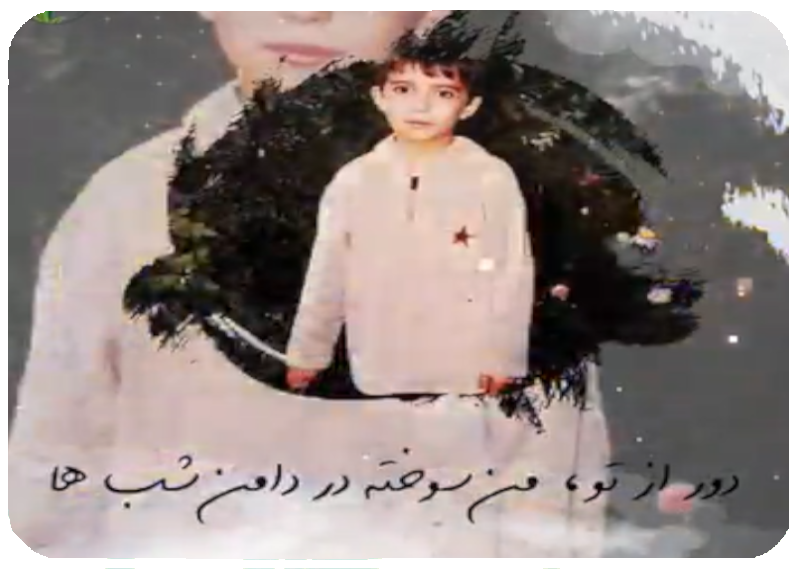
بهروز اصغرپور
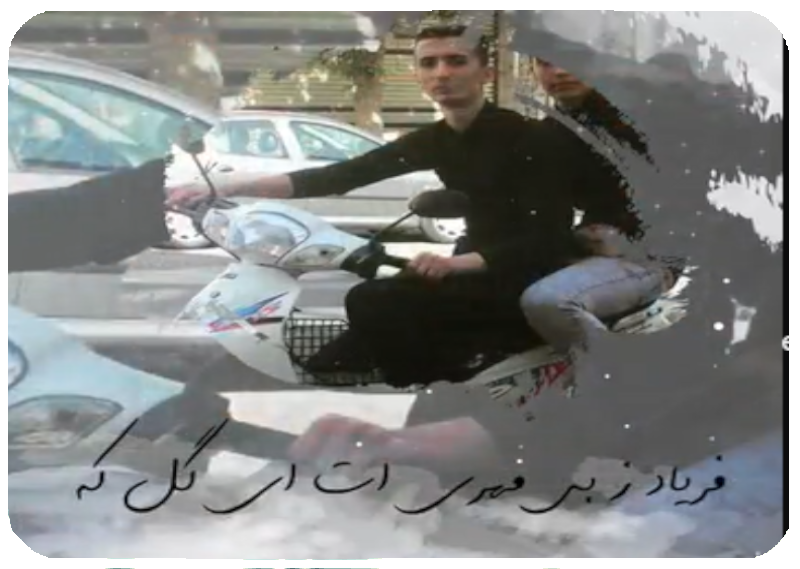
بهروز اصغرپور
بهروز اصغرپور
بهروز اصغرپور
بهروز اصغرپور