 پارسی
پارسی
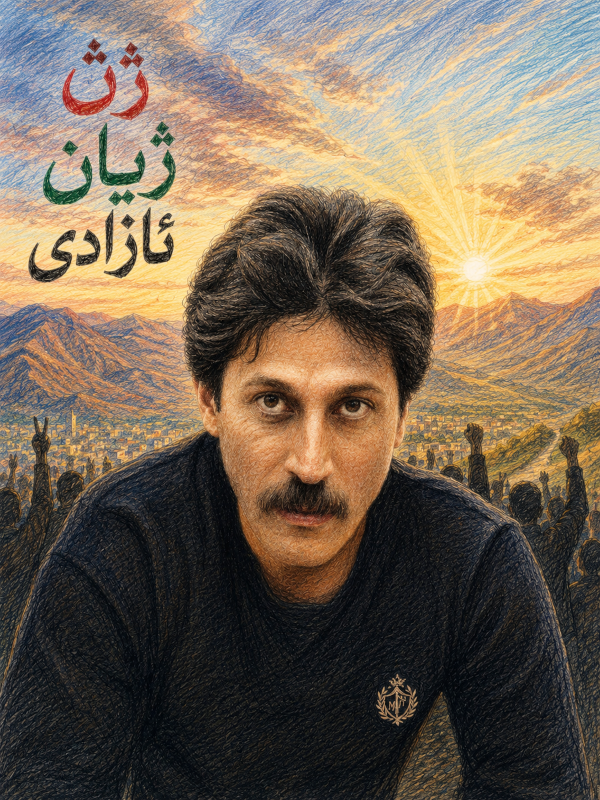
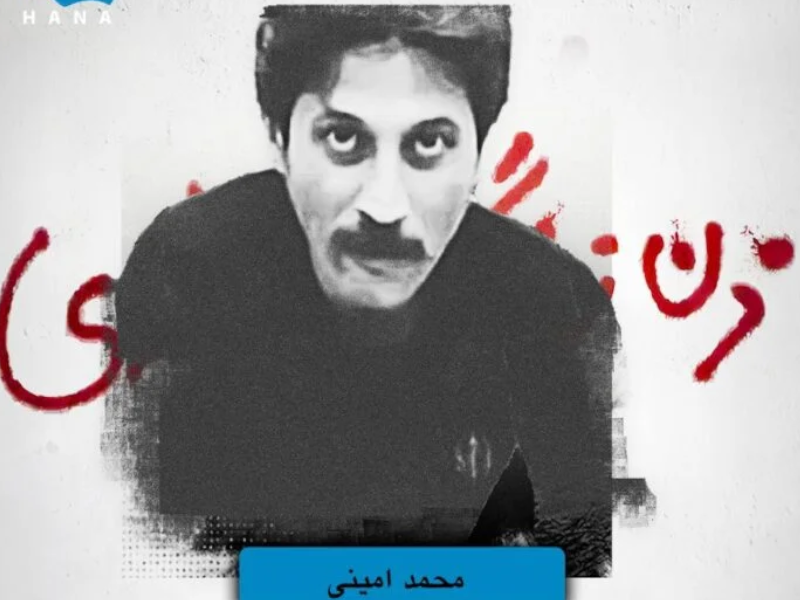
Mohammad Amini
Mohammad Amini (1989 – October 8, 2022)
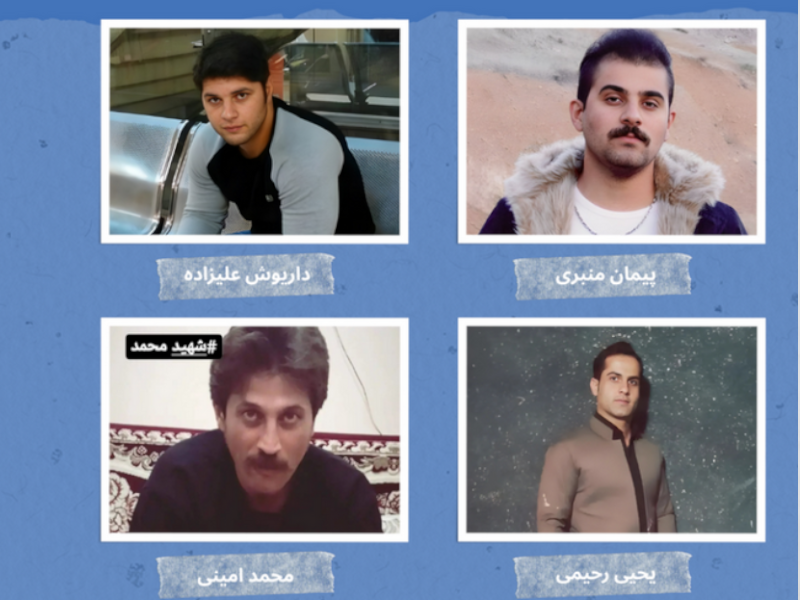
On Saturday, October 8, 2022, during the twenty-second day of the nationwide “Jin, Jiyan, Azadi” (“Woman, Life, Freedom”) uprising that erupted after the death of Jina (Mahsa) Amini, the city of Sanandaj became one of the main centers of protest in Kurdistan. Iranian security and military forces responded to the demonstrations with live ammunition and direct gunfire against civilians. On that day alone, at least four citizens of Sanandaj — Peyman Monbari, Dariush Alizadeh, Yahya Rahimi, and Mohammad Amini — lost their lives as a result of the government crackdown.
On the same day, Mohammad Amini, a resident of the Taqtaqan neighborhood of Sanandaj and originally from the village of Yunusabad, was shot from behind by Iranian security forces in an alley near the Karamouzi district of the city. Reports state that he was struck by bullets fired from a Kalashnikov rifle and died instantly. Following his killing, security forces pressured the family to hold a quiet midnight burial under strict security measures, attended only by a small number of relatives. During the mourning ceremonies, security forces reportedly used drones to film people visiting the Amini family home in order to intimidate mourners. Months later, Mohammad Amini’s mother released a video stating that her son had been killed by direct gunfire near their home and that despite filing a complaint with the military prosecutor’s office, the family had received no response or justice. She also stated that officials had attempted to offer the family money in exchange for silence, but she rejected it, saying she would never “sell her son’s blood” and would accept nothing less than the prosecution of those responsible. Mohammad Amini was the son of Golmohammad and was believed to have been around 33 years old.
From the beginning of the nationwide protests following the death of Jina (Mahsa) Amini until October 8, 2022, dozens of Kurdish civilians were killed by direct fire from Iranian security forces across various cities in Kurdistan, and hundreds more were injured. In the years that followed, the families of those killed continued to face intimidation, summons, arrests, surveillance, and judicial pressure. Despite this, many families have continued to demand truth, accountability, and justice for the deaths of their loved ones.