 پارسی
پارسی
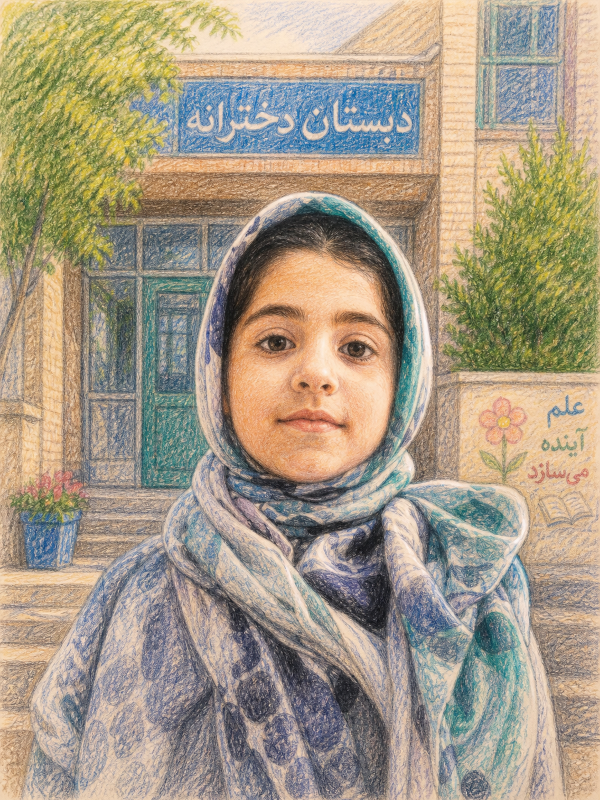
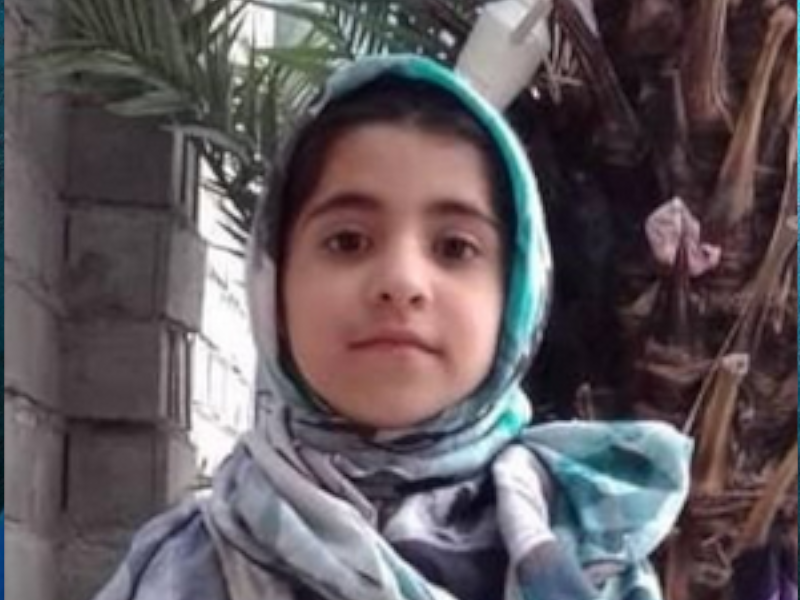
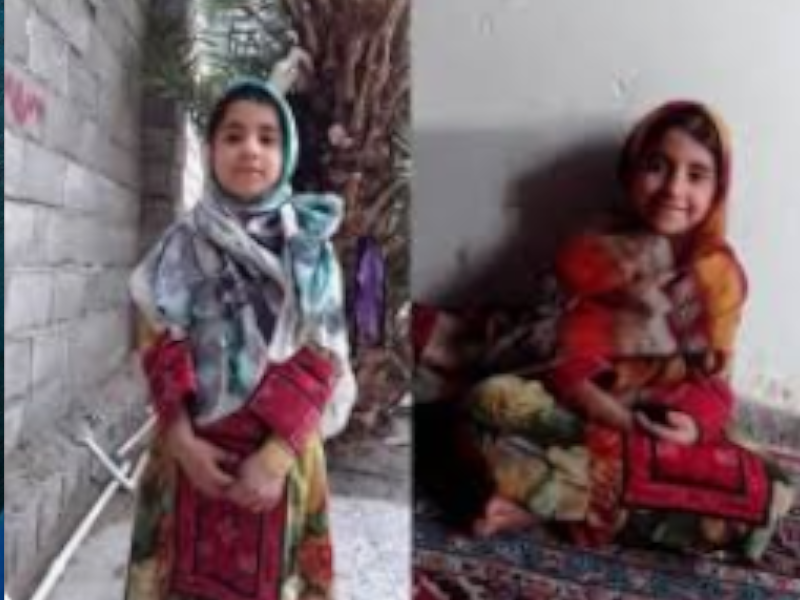
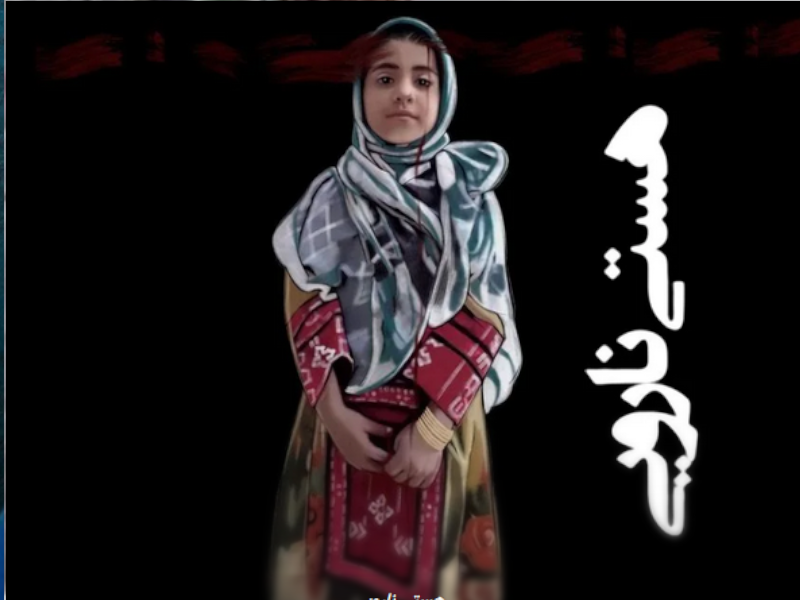
Hasti Naroui
Hasti Naroui (October 8, 2015 – September 30, 2022)
Hasti Naroui, a seven-year-old بلوچ (Baluch) girl from Zahedan, lost her life during the nationwide protests in Iran in 2022. She was only days away from starting first grade at school.
On September 30, 2022, a day later known as “Bloody Friday of Zahedan,” residents gathered at the Makki Mosque prayer site after Friday prayers. This gathering was part of the broader “Woman, Life, Freedom” protests that had spread across Iran since mid-September.
During that day, security forces opened fire on the crowd and used tear gas. Multiple reports indicate that many people, including children, were killed or injured.
Hasti Naroui had gone to the prayer site with her grandmother. According to reports, she was struck in the head by a tear gas canister and also suffered from inhaling toxic gas. She sustained severe injuries and died shortly afterward. She is considered one of the youngest victims of that day.
Following the incident, her family did not immediately publicize her death due to security concerns. In addition, because of limited financial resources and lack of access to digital tools, only a few photographs of her exist.
Her death drew attention from human rights organizations. UNICEF issued a statement condemning violence against children during the protests and called for an end to such actions. The organization noted that dozens of children had been killed in the unrest.
Reports from groups such as HRANA indicated that by early December 2022, hundreds of protesters had been killed, including dozens of children.
UNICEF also emphasized the importance of protecting children’s rights, ensuring their safety, and preventing violence in places such as schools. It called on authorities to allow children to live safely with their families and within their communities.
In summary, according to available reports, Hasti Naroui died on September 30, 2022, in Zahedan, as a result of injuries caused during the use of force by government security forces. Her death became a symbol of the impact of violence on children during these events and drew both national and international attention.